Road Bike vs Regular Bike: What Is the Real Difference?
A road bike is built for speed and longer rides on paved roads, while a regular bike suits comfort and short everyday trips. The main differences lie in riding position, tires, and frame design. Some riders also move from one type to the other as their interest
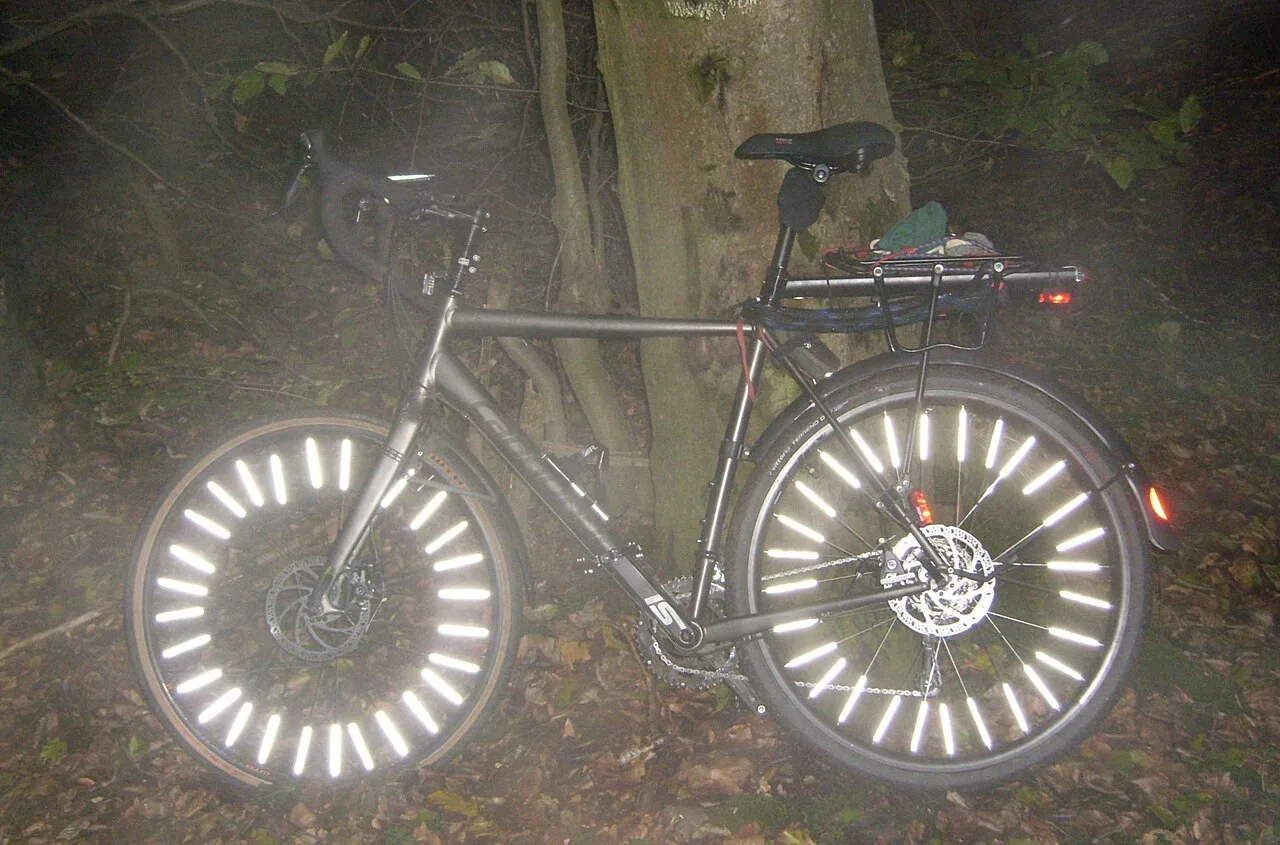
A road bike is built for speed and longer rides on paved roads, while a regular bike suits comfort and short everyday trips. The main differences lie in riding position, tires, and frame design. Some riders also move from one type to the other as their interest grows.
What Makes a Road Bike Different from a Regular Bike?
The biggest difference is purpose. A road bike is designed for efficient riding on smooth pavement, whereas a regular bike is designed for relaxed, upright riding around town. Both are bicycles with two wheels and a pedal system, so the basic controls are the same. The difference is in how each part is tuned for its job, and those goals shape almost everything, from the way the rider sits to the width of the tires.
Riding Position and Handling
Road bikes place the rider in a lower, more forward-leaning posture. Their handlebars usually curve downward, with drop sections that let riders change hand positions on long rides. A regular bike keeps the rider more upright, with flatter handlebars that make it easier to look around in traffic and to ride without much strain on the back and wrists.
Wikimedia Commons · Armchair · CC BY-SA 3.0
Why Position Matters on Long Rides
A forward posture helps the rider move through the air more smoothly, which is why it is common on routes where steady speed matters. The same posture can feel unfamiliar at first. A rider moving from a regular bike may need time to adjust the hands, back, and balance before a long ride feels comfortable. Hand position also affects braking and shifting, since on many road bikes the controls sit near the grips. Riders who join group rides often keep one position for hours, so comfort at the handlebar matters.
Tires and Frame Design
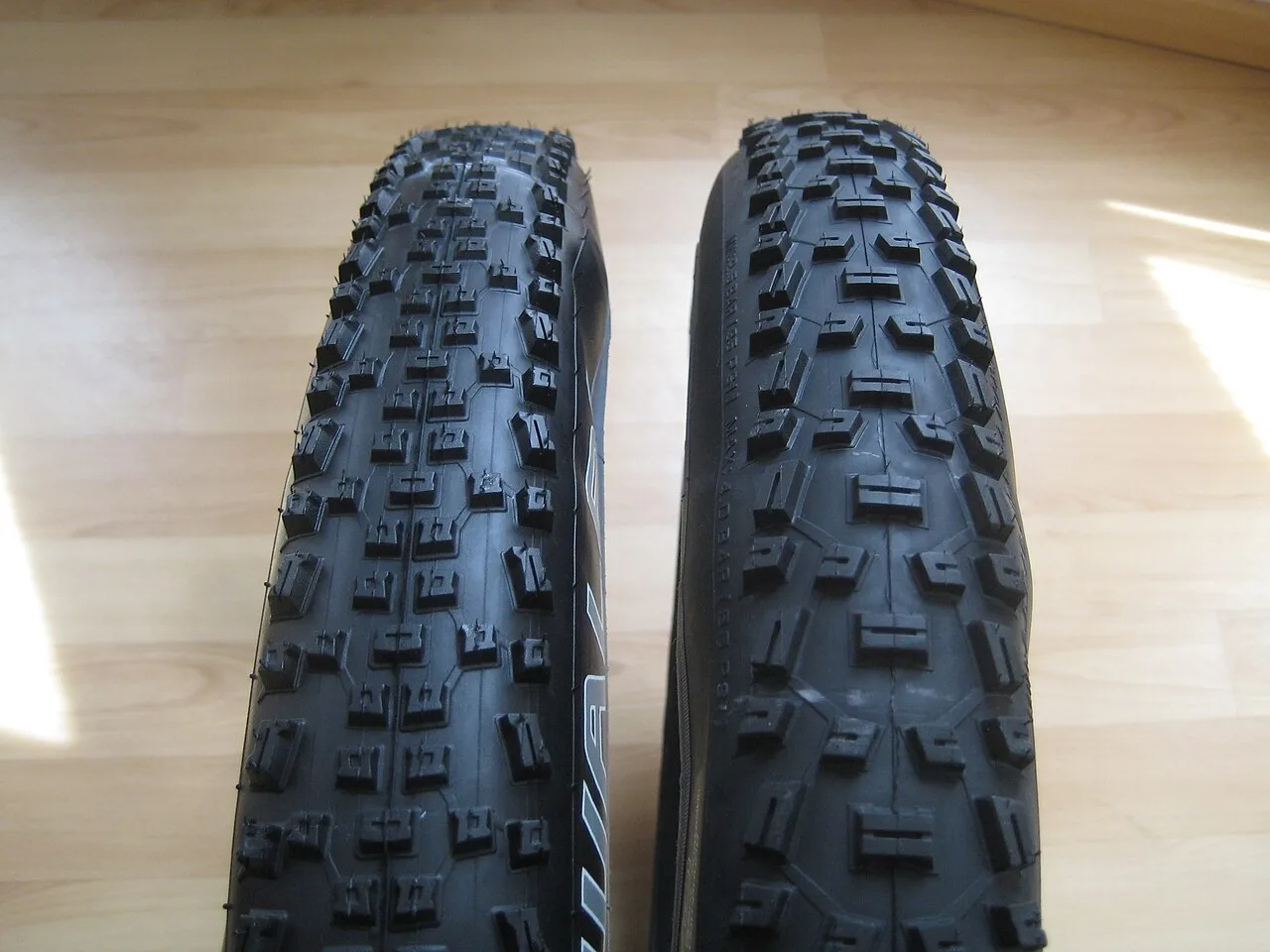
Road bike tires are narrower and have a smoother surface than the tires on a regular bike. They are made for pavement, where less rolling resistance helps. Frames are generally built lighter and stiffer, so the bike responds quickly when the rider pushes the pedals. A regular bike typically uses wider tires and a sturdier, more relaxed frame, which gives a softer ride over bumps and uneven roads. Whichever type you choose, frame size comes first. A bike that matches your height and reach is easier to control than one that does not.
Wikimedia Commons · Sylenius · CC BY-SA 3.0
What Type of Bike Suits Your Riding Goals?
A road bike suits longer rides on paved roads, while a regular bike is the simpler choice for short, casual trips. Neither is better in every case. The right choice depends on how far you ride, what road surfaces you face, and how upright you want to sit on the bike.
If you mostly ride to the market, school, or the office, a regular bike covers those trips with less to think about. If you want to ride with a group on long, smooth routes, a road bike is the more natural fit. Before buying, test ride both types if you can. A few minutes in the saddle often shows more about the fit than any written comparison.
How Did One Cycling Community Move to Road Bikes?
Some members of one Indonesian cycling community were previously active mountain bikers before they switched to road bikes. The group began at a regional public hospital, and at first its members rode a mix of bikes, including folding bikes, mountain bikes, and road bikes. Its story shows that a rider’s first bike does not have to be their last.
How the Community Started
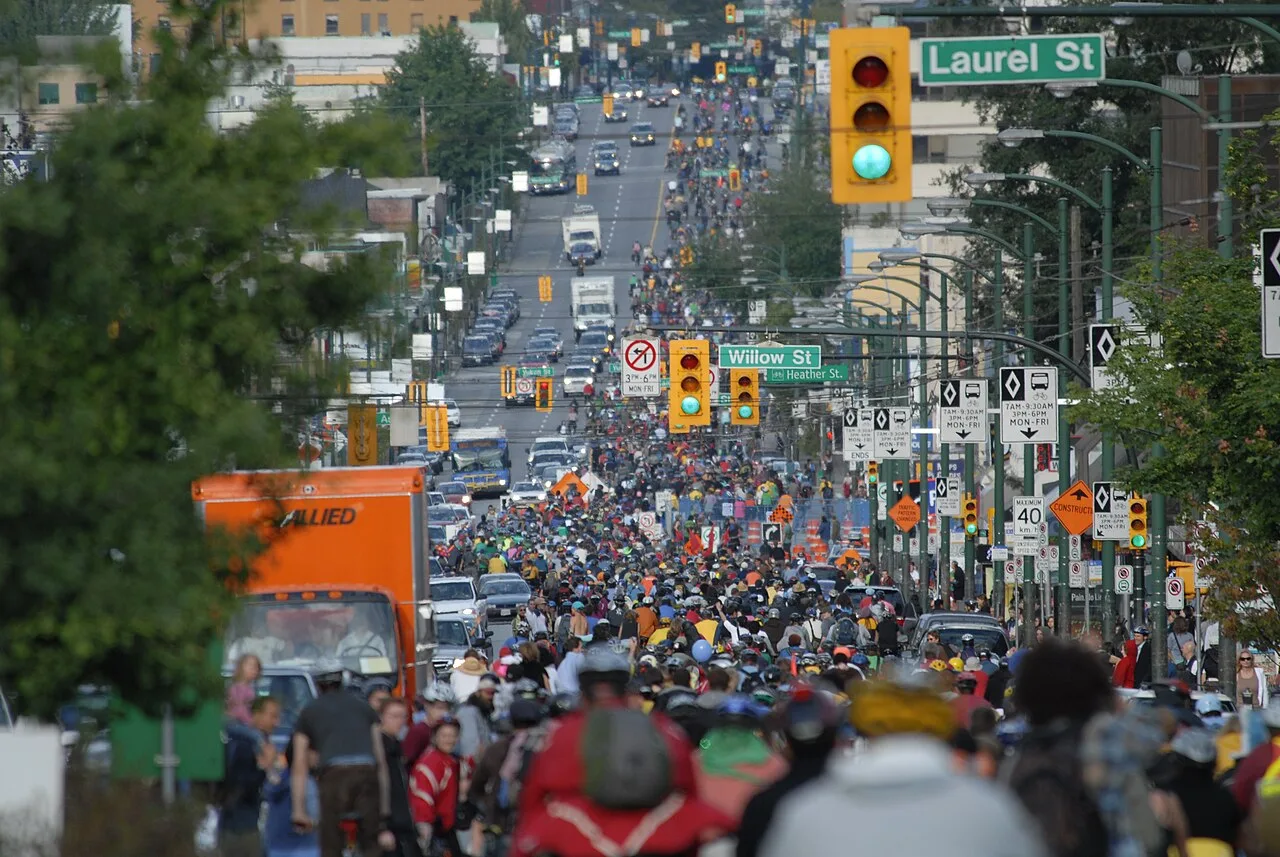
The group began as a cycling community at a regional public hospital. From the start, its riders did not all share the same type of bike, so the group grew around riding itself rather than one specific machine.
Wikimedia Commons · Tavis Ford from Canada · CC BY 2.0
Joining the Group
Becoming a member is not immediate. In this community, people usually have to join several group rides before they become members. This gives newcomers a chance to ride with the group before they are accepted as part of it.
What Experienced Riders Discuss
A podcast episode featured two experienced riders answering questions that viewers had submitted in the comments of a YouTube channel. The questions came from dozens of comments collected up to the twelfth episode. The two riders shared their own experiences of cycling. For readers, this kind of conversation shows how riders think through their choices beyond product details. Listening to others explain what matters to them, such as distance, comfort, or group rides, can help newcomers decide what they want from a bike.
What You Should Know Before Choosing
Road bikes and regular bikes differ mainly in purpose, riding position, tires, and frame design. A road bike rewards riders who want speed and distance on paved roads, while a regular bike is easier for short trips and relaxed rides. The community example shows that riders can move between the two as their goals change, so the choice does not have to be permanent.
Frequently Asked Questions
Can a regular bike be used for road cycling? Yes. It can ride on paved roads, but it is less efficient over long distances than a road bike, and its upright position may feel less suited to fast group rides.
Is a road bike harder to ride? It can feel different at first because of the forward-leaning posture and narrow tires, so it can take time to get used to.
Did every member of the community start on a road bike? No. Members used a mix of bikes at the start, including folding and mountain bikes. Some later switched to road bikes.
Do I need to join rides before becoming a member of that community? In that community, becoming a member usually requires joining several group rides first.
What should I check first when buying either bike? Check the frame size. A bike that matches your height and reach is easier to control, whichever type you choose.