Long-Distance Gravel Bikes: What You Need to Know
A long-distance gravel bike stays quick on smooth pavement and handles rough, mixed surfaces over many hours in the saddle. Some gravel bikes have beaten the priciest, most advanced road machines, and gravel is the fastest-growing bike category today. For long rides, check the standard setup,
A long-distance gravel bike stays quick on smooth pavement and handles rough, mixed surfaces over many hours in the saddle. Some gravel bikes have beaten the priciest, most advanced road machines, and gravel is the fastest-growing bike category today. For long rides, check the standard setup, comfort options such as fork inserts, and geometry suited to distance.
What makes a gravel bike suited to long distances?
A gravel bike suited to long distances balances three things: speed on pavement, comfort over many hours, and control on loose or uneven ground. Each matters more on a long day than on a short ride, because small discomforts build up over time. When one of these traits is weak, the ride becomes harder to finish well, even if the bike looks impressive on paper.
How the standard setup feels on the road
In its standard setup, a gravel bike behaves much like a road bike. It offers quick, agile handling and an aerodynamic character that makes it feel fast on paved sections. That combination is useful on mixed routes, where you move between asphalt and gravel without changing bikes. The standard setup is a sensible starting point, so test it before you adjust anything for distance.
Why the fork insert matters for comfort
For long rides, some gravel bikes include a reversible insert in the fork. Flipping it makes the bike feel longer and more comfortable, which helps when the ride goes on for hours. The change comes from turning one part around rather than replacing the frame, so the bike can be set up for distance without buying a new one.
Setting the insert before a ride
Check which position the insert is in before you set out, and make sure it matches the route you have planned. Making the change at home is simpler than trying to adjust it partway through a long ride, especially if you are carrying tools and supplies.
Why has gravel become such a popular category?
Gravel is currently the fastest-growing bike category in the world, and it has kept developing in recent years. It became a major market once the largest tire makers got involved, and established bike brands soon followed. Each new entrant gave riders more models to compare, which made the category easier to explore.
Tire makers and the market
Tires are central to gravel riding because they shape how a bike grips and rolls on loose surfaces. When the biggest tire manufacturers entered the category, they showed that gravel was large enough to justify serious investment. For riders, that investment usually means more tire choices and more attention to how tires perform on long, varied routes.
Established brands join the trend
Colnago, one of the most legendary bike brands, has also joined the gravel trend. For 2020, the Italian brand from Cambiago released the G3X, a bike designed specifically for gravel and long-distance riding. Its geometry was adjusted for gravel use, so it was not simply a road frame with wider tires.
Wikimedia Commons · Bureau of Land Management · Public domain
How did road bike makers respond to the gravel trend?
Road bike makers were also affected by the shift. In 2016, Cervelo released the C Series, a road bike that went well beyond a typical endurance design. It fell behind soon after gravel riding took off, which shows how quickly the market moved. Brands that did not adapt to the change found their products losing relevance.
Which long-distance gravel bikes are worth knowing?
Two models show how brands approached this category. The Aspero series was designed as a fast, aggressive gravel bike, aimed at riders who want speed on rough roads. The Colnago G3X, mentioned above, was built for gravel and long-distance riding, with geometry adjusted for that purpose. Taken together, they show the category covering both speed and endurance, so riders can choose a bike that matches their priorities.
Where can you see the latest gravel models?
Trade shows are one place to see new designs before they reach shops. Eurobike 2019, held from 4 to 7 September, featured the latest products from manufacturers around the world. Events like this give riders a chance to compare frames, components, and accessories in one place.

Wikimedia Commons · Keanu @ no:wp · CC BY-SA 3.0
How should you choose a long-distance gravel bike?
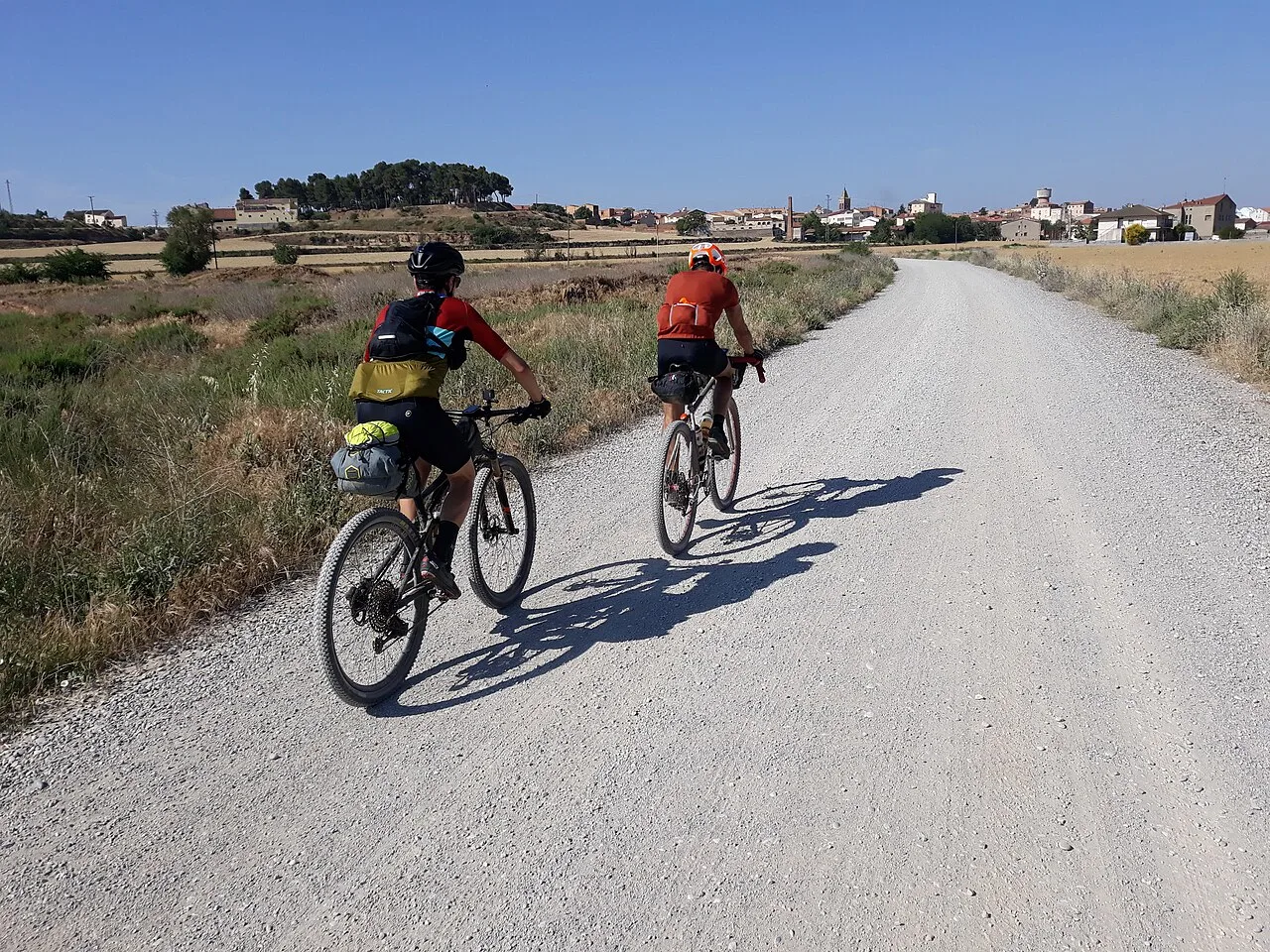
Start with the routes you plan to ride. Check the standard setup, whether the fork offers an insert for longer rides, and whether the geometry suits the distance you cover. A bike that feels good on a short test may not suit a full day, so consider total ride time, not just how it feels in a few minutes.
Wikimedia Commons · Pacopac · CC BY-SA 4.0
Points to check before buying
Ask whether the fork insert is included on the model you are considering. Compare how the bike feels in its standard setup with how it feels after adjustment, so you know what you are getting. If you expect to try wider tires later, check the tire clearance before you commit, because it affects what you can fit on the frame.
Frequently Asked Questions
Is a gravel bike good for long-distance riding? It can be. Gravel bikes suited to long distances combine speed on pavement with comfort and control on rough surfaces. Look for models with features such as a reversible fork insert and geometry designed for gravel.
What does a reversible fork insert do? It changes the fork so the bike feels longer and more comfortable. Because it can be flipped, you can adjust the bike for a long ride without changing the frame.
Why are gravel bikes so popular now? Gravel is currently the fastest-growing bike category in the world. Major tire makers and established brands such as Colnago have entered the market, which helped it grow into a major segment.
Can a gravel bike be as fast as a road bike? In its standard setup, a gravel bike handles like a quick, agile road bike, and some gravel bikes have beaten the priciest road machines. Speed depends on the bike, its setup, and the rider.