Long-Distance Cycling: What You Need to Know Before Your First Ride
Long-distance cycling depends more on preparation than speed. Plan your route and any paperwork early, build fitness gradually, choose a bike that fits your body, and keep eating and drinking on the road. A ride of about 330 km across North Sulawesi shows how local details can shape a
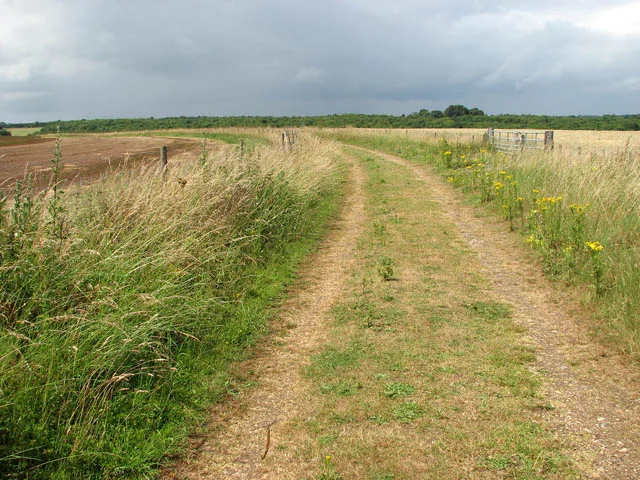
Long-distance cycling depends more on preparation than speed. Plan your route and any paperwork early, build fitness gradually, choose a bike that fits your body, and keep eating and drinking on the road. A ride of about 330 km across North Sulawesi shows how local details can shape a trip.
How Far Counts as Long-Distance Cycling?
There is no single official distance that makes a ride “long-distance.” For most riders, the useful test is whether the ride needs planning for food, water, rest, and daylight. A route of around 330 km clearly falls into that group.
The reported route ran from Bitung through Manado, Minahasa, Minahasa Tenggara, and Bolaang Mongondow Timur before ending in Kotamobagu. Splitting a trip into regional sections like this makes it easier to plan where you will stop for water, meals, and sleep. The available details give the total distance but do not list daily stages, so you will need to set your own.
Wikimedia Commons · Block Grant · CC BY 3.0
How Should You Plan the Route and Paperwork?
Start with the route, then check what documents and arrangements it requires before you commit to a date.
Choosing a Route
Map the full distance and divide it into stages you can manage in one day. Look at the elevation profile, the road surface, the amount of traffic, and the distance between towns that have shops and places to rest. A flat route with long gaps between villages can be harder to manage than a hilly route with frequent stops.
Checking Road and Traffic Conditions
Road conditions can change quickly between towns, especially after heavy rain. Ask local cyclists or community groups for recent updates close to your travel date. The cycling club Oljen CC has recently started trying long routes as well, so local groups can be a useful source of current information.
Paperwork and Travel Arrangements
One hurdle in the reported ride was a document called a visa, which had to be arranged long before the trip. The available details do not explain what it covered or how long it took to get. Before you set a date, check the current requirement with the relevant office, and give yourself extra time in case the process takes longer than expected.
How Do You Build Up for a Long Ride?
Build your distance gradually, and make sure your bike fits you before you add kilometers. Most problems on a long ride, such as sore knees, numb hands, or a sore back, can start from a bike that is set up poorly or from a sudden jump in distance.
Training Step by Step
Increase your distance in small steps, and allow rest days between harder rides. Make one ride each week longer than the others, and keep the rest shorter and easier. Pay attention to how your body feels the next day. Persistent pain is a sign to reduce the load, not to push through.
Fit and Gear
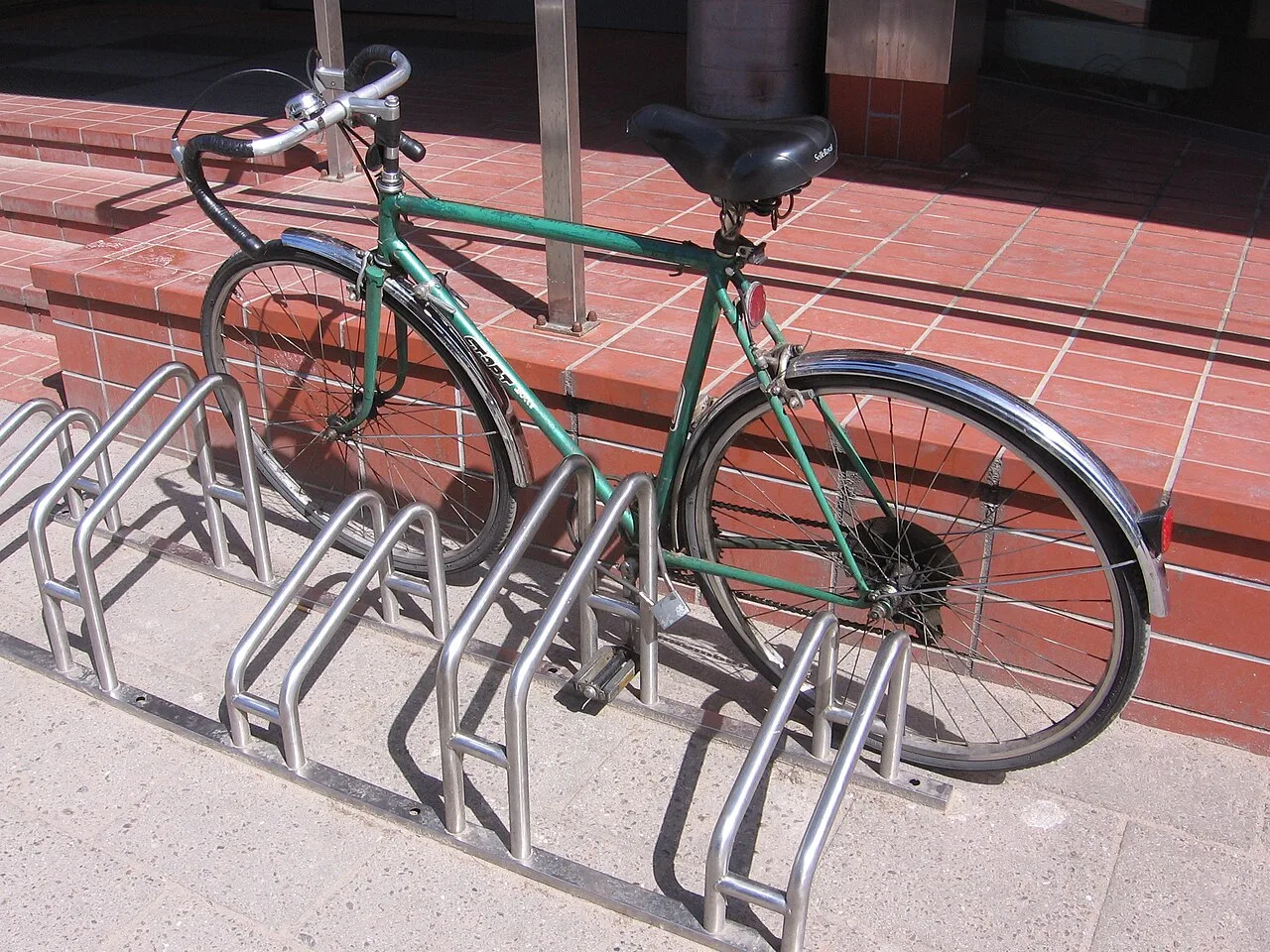
Saddle height and handlebar reach affect comfort over several hours. If you feel strain in the knees or lower back, have a bike shop check your setup before you change anything else. Carry basic tools, a spare tube, a pump, and a light rain layer. Check your tire pressure and brakes before every long ride.
Wikimedia Commons · Cmapm · CC BY 3.0
Why Do Riders Choose Long Routes?
Long routes are often chosen for the scenery and the places along the way, not only for the distance. The cyclist behind the reported ride said he enjoys nature and local culture when he rides. That reason is personal, but it points to a practical idea: you can plan a route around places to see, not only around how many kilometers you cover.
The route was presented as a simple example that could encourage more Indonesian cyclists to try long rides. For a first trip, a route with clear landmarks, known towns, and a manageable total distance can be a good starting point.
How Far Can a Lifetime of Cycling Go?
One reported rider, an 82-year-old, has cycled about one million miles, or roughly 1.6 million km. That is about 40 times the distance around the Earth, which is close to 40,000 km at the equator.
The scale is easier to grasp when you compare it with space. A playful comparison imagines cycling to the Moon. The average distance to the Moon is about 384,000 km one way, so the total would be more than enough for a round trip. Cycling to the Moon is not possible, but the comparison shows how far steady, regular riding can add up over many years.
What You Need to Know Before You Ride
Long-distance cycling is manageable when you prepare in the right order. Choose a route and divide it into stages. Check documents and local conditions early. Build your distance step by step, and set up your bike so it fits. Plan food, water, and rest for each stage. If a detail is not yet clear, such as the exact requirements for a document, confirm it with the right source before you go.
Frequently Asked Questions
How far is considered long-distance cycling?
There is no single official distance. A ride is long-distance when it needs planning for food, water, rest, and daylight.
Do I need to arrange paperwork before a long ride?
It depends on where you ride and what applies to your trip. In the reported ride, a document called a visa had to be arranged well in advance. Check the current requirements with the relevant office before you travel.
How do I start training for a long ride?
Increase your distance in small steps, allow rest days, and make sure your bike fits before you add more kilometers. Stop or reduce the load if you have persistent pain.
Can long rides be used to explore local culture?
Yes. The cyclist in the reported ride said he enjoys nature and local culture along his routes, so you can choose a route based on the places you want to see.