Cara Memilih Ukuran Sepeda: What Every Buyer Should Know
Choosing the right bike size starts with one fact: sizes differ between models, brands, and bike types, so a size that fits one bike may feel wrong on another. Measure yourself, check the size chart for the exact model, and test ride before buying. Components matter
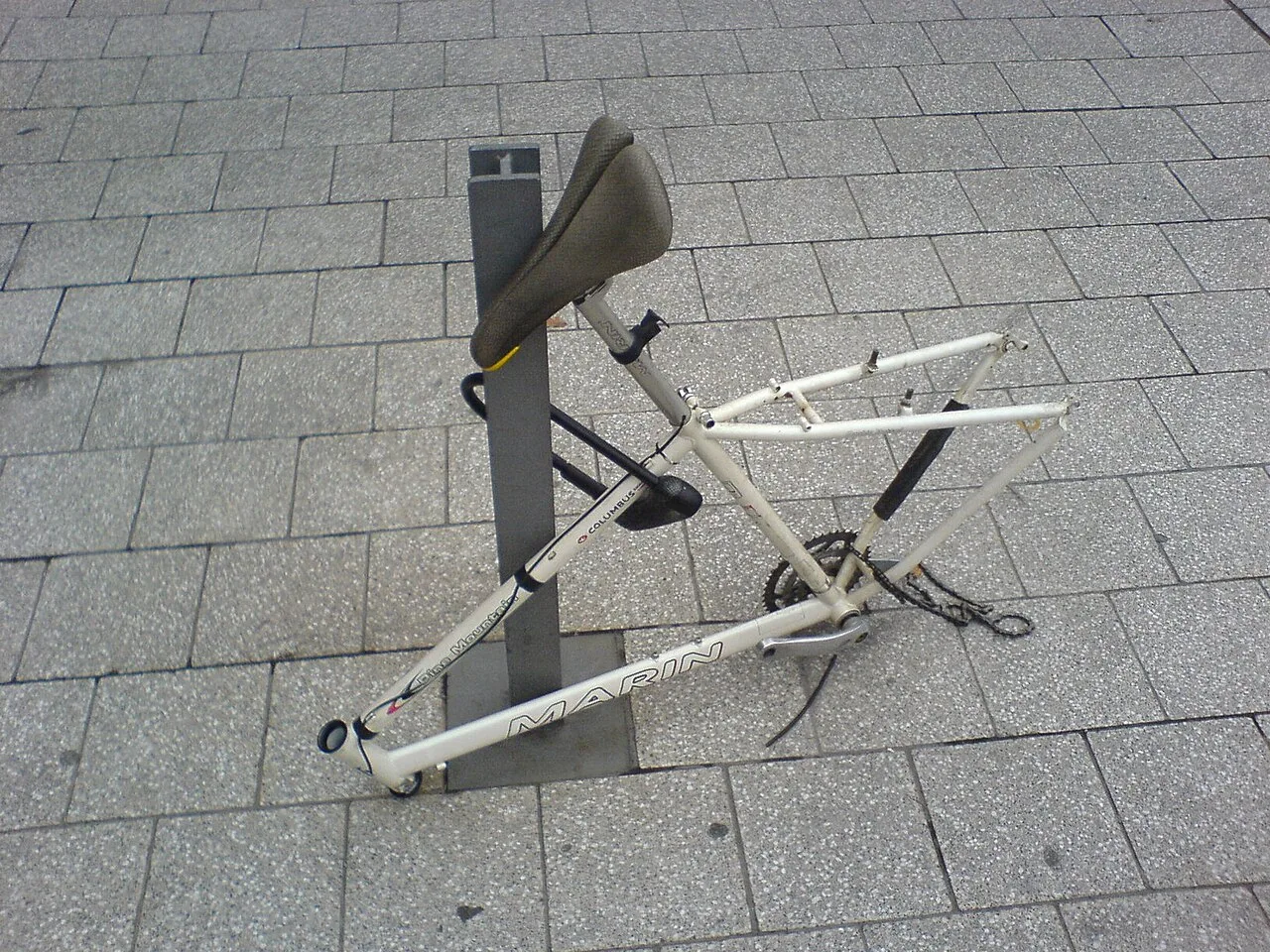
Choosing the right bike size starts with one fact: sizes differ between models, brands, and bike types, so a size that fits one bike may feel wrong on another. Measure yourself, check the size chart for the exact model, and test ride before buying. Components matter too.
Why Do Bike Sizes Differ From One Model to Another?
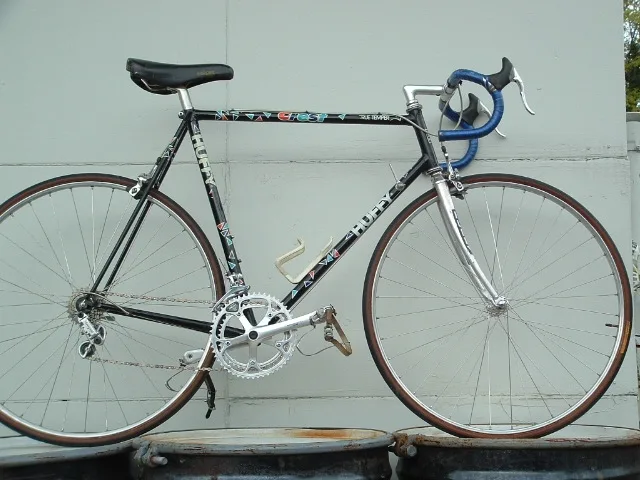
Each bicycle is designed around its own frame dimensions, so a number printed on one bike does not carry over to another. Many shoppers looking at a new road bike do not realize this at first. They assume that a size they know from a different brand will work the same way, and that assumption is where most confusion begins.
At the shop, this often shows up as a simple surprise. A buyer who has always ridden a certain size walks in expecting the same label, then finds that the frame feels different once they sit on it. The safest approach is to treat every size chart as specific to that model, not as a universal scale that works across brands.
Wikimedia Commons · No machine-readable author provided. BetacommandBot assumed based on copyright claims . · CC BY-SA 2.5
Many Buyers Overlook the Components
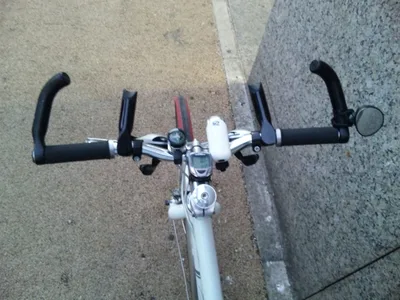
Frame size gets most of the attention, but it is not the only measurement that matters. The supporting parts, such as the handlebar and the other components attached to the frame, also come in different sizes. A frame that fits well can still feel off if the parts around it do not suit your body or your riding position.
This is easy to miss because components are often judged by looks or brand. Check how each part sits on the bike, not only how it appears in photos or on a display stand.
Wikimedia Commons · user:Tonbi_ko · CC BY 3.0
Frame size and component size
When you look at a bike, check the frame first, then review the parts attached to it. Ask whether the handlebar and other components were chosen for that frame size, and whether they feel comfortable when you hold the bike in a normal riding position. A mismatch may not be obvious at first, but it can become tiring over a longer ride.
Questions to ask the seller
- Which frame size does this model use, and how does it compare with the size you have ridden before?
- Are the handlebar and other components sized for this frame?
- Can the shop adjust the parts before you take the bike home?
Which Size Am I?
Many road bike buyers ask this question directly at the counter: which size am I? The honest answer is that no single number applies to everyone. Your body measurements give you a starting point, and the manufacturer’s chart gives you the reference for the specific bike you want. Neither one replaces the other.
Start with your body measurements
Measure your height and note your leg length, then think about how you plan to ride. A bike for short trips around town can feel different from a bike for longer training rides, and the riding position you prefer affects which size feels right. Write down your measurements before you visit a shop, so you can compare them quickly with each chart.
Use the manufacturer’s size chart
Each brand publishes its own chart, and the numbers on it apply only to that model. Compare your measurements with the exact row for the bike you want, not with a size you remember from a different brand. If your measurements fall between two sizes, consider which riding position you prefer before choosing.
Why a chart is only a starting point
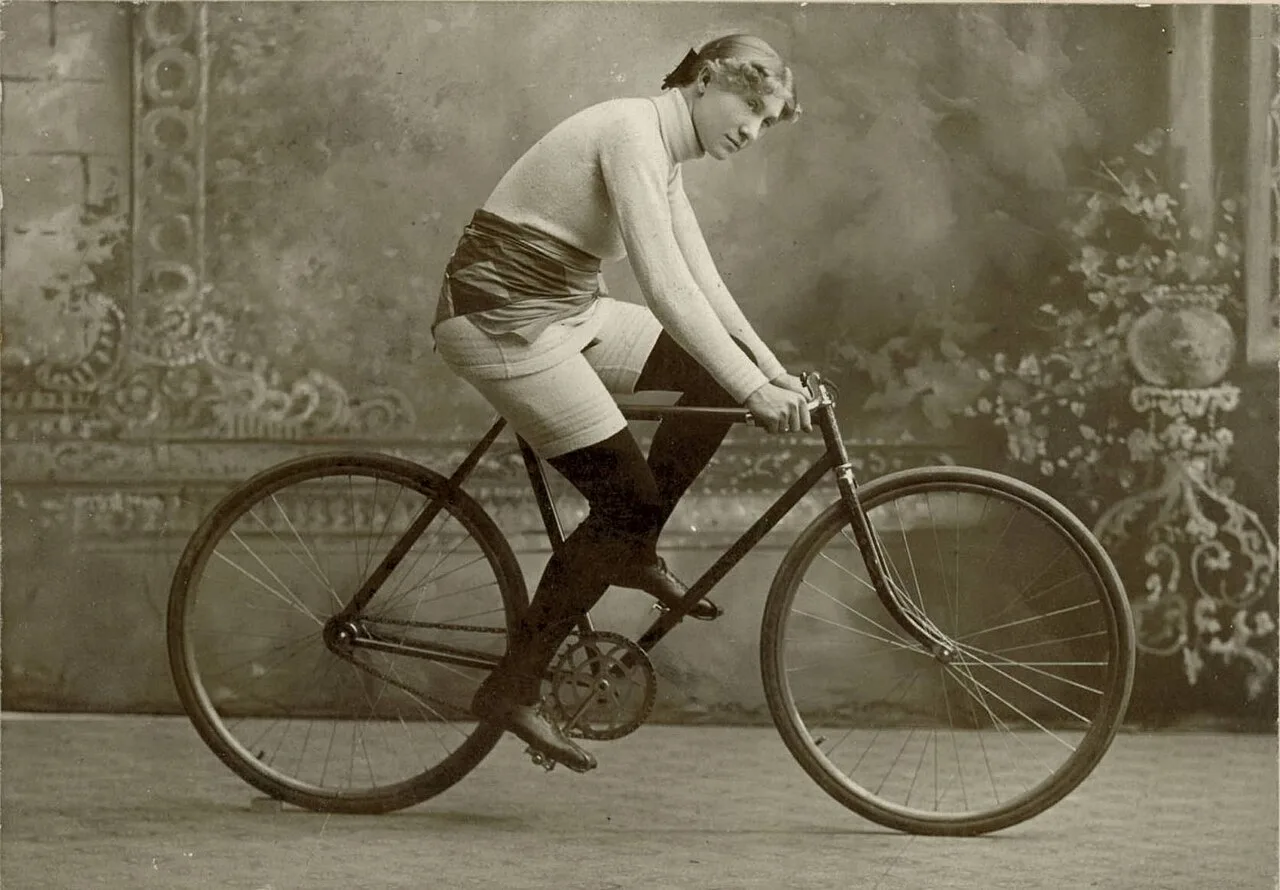
A chart gives you a range, not a guarantee. Two riders with the same height may still prefer different positions on the same bike. Use the chart to narrow your options, then confirm the fit in person by sitting on the bike and checking how your hands, back, and legs feel.
Wikimedia Commons · Alice Olson Roepke · CC BY-SA 4.0
Should You Test Ride Before You Buy?
Yes. A test ride shows what a size chart cannot, such as how the bike feels when you brake, turn, or pedal for a while. Pay attention to whether you can reach the handlebar comfortably, whether your knees move freely when pedaling, and whether the bike feels stable at speed. A short loop around the parking lot is not enough, so ask the shop if you can ride on a normal road for a few minutes.
Does Style Matter When Choosing a Size?
Style is a fair consideration, but it should come after fit. Matching the brand of your handlebar and frame is one simple way to make the bike look coordinated, and many riders use this approach to keep their setup consistent. Simple habits also help the bike look its best. Cleaning the bike after every ride keeps the finish sharp and makes it easier to spot loose parts early.
Still, a bike that looks good but does not fit will be uncomfortable on every ride. Choose the size first, then select the parts and finishes that suit your taste.
Beyond Size: Riding Safely on the Road
Choosing a bike is only one part of cycling. Safety is also a widely discussed topic right now, including crimes against cyclists on public roads. Good fit helps you control the bike more confidently, but it does not replace awareness of traffic, lighting, and your route. Like any sport, cycling has strengths and weaknesses, so choose the activity you enjoy, then pick the bike that fits both your body and your riding plans.
Final Thoughts
Start with the frame, check the components, and compare your measurements with the chart for the exact model. Then test ride before you commit. Taking these steps helps you avoid the most common mistake, which is assuming that one size works everywhere.
Frequently Asked Questions
Can I use the same bike size across different brands?
No. Each brand publishes its own chart, so compare your measurements with the model you want rather than relying on a size you know from another brand.
Do the components need to suit the frame size?
Yes. Components come in different sizes too, so check that the handlebar and other parts suit the frame and your body, not only the frame label.
Is a test ride really necessary?
Yes. A short test ride shows how the bike feels when braking, turning, and pedaling, which a size chart cannot show.
Does matching the handlebar and frame brand matter?
It helps the bike look coordinated. It is a styling choice, so fit should always come first.