Beginner Cycling Gear: What New Riders in Indonesia Need to Know
A beginner needs a few core items before the first ride: a bike that fits, a certified helmet, padded cycling shorts, lights for riding after dark, a small repair kit, and water bottles. Start with these basics before buying extras. Fancy accessories can wait until you know how far and how often
A beginner needs a few core items before the first ride: a bike that fits, a certified helmet, padded cycling shorts, lights for riding after dark, a small repair kit, and water bottles. Start with these basics before buying extras. Fancy accessories can wait until you know how far and how often you ride.
If you are searching for perlengkapan gowes pemula, the Indonesian phrase for beginner cycling gear, the list below covers the essentials in order of importance. It starts with what you need on the first day and ends with what matters once you ride longer distances.
Wikimedia Commons · Federální ministerstvo vnitra Československé socialistické republiky · Public domain
What Does a Beginner Need Before the First Ride?
Start with a bike that fits your body, a helmet, and clothing that keeps you comfortable. Everything else is useful but comes second.
Choosing a bike that fits
Fit matters more than brand. A bike that is too large or too small makes riding tiring and harder to control. Test ride before you buy, and check that you can stand over the top tube with a safe gap between you and the frame.
Setting the saddle height
Ask a bike shop to set the saddle so your leg keeps a slight bend at the bottom of each pedal stroke. Small adjustments make a noticeable difference on longer rides, so recheck the setting after the first few trips.
Clothing for comfort
Padded cycling shorts reduce friction on the saddle, which matters more as the distance grows. Choose a breathable top that suits the weather. Loose cotton holds sweat and gets heavy on a long ride, so synthetic or technical fabrics are usually the better pick.
Which Safety Gear Matters Most?
A certified helmet and working lights are the first safety items to buy. The helmet protects your head in a fall, and the lights help other road users see you.
Helmets
Choose a helmet that fits snugly, sits level on your head, and has a strap you can fasten securely. Replace it after a crash, even if the damage is not visible, because the protective material may no longer perform as it should.
Lights and reflectors
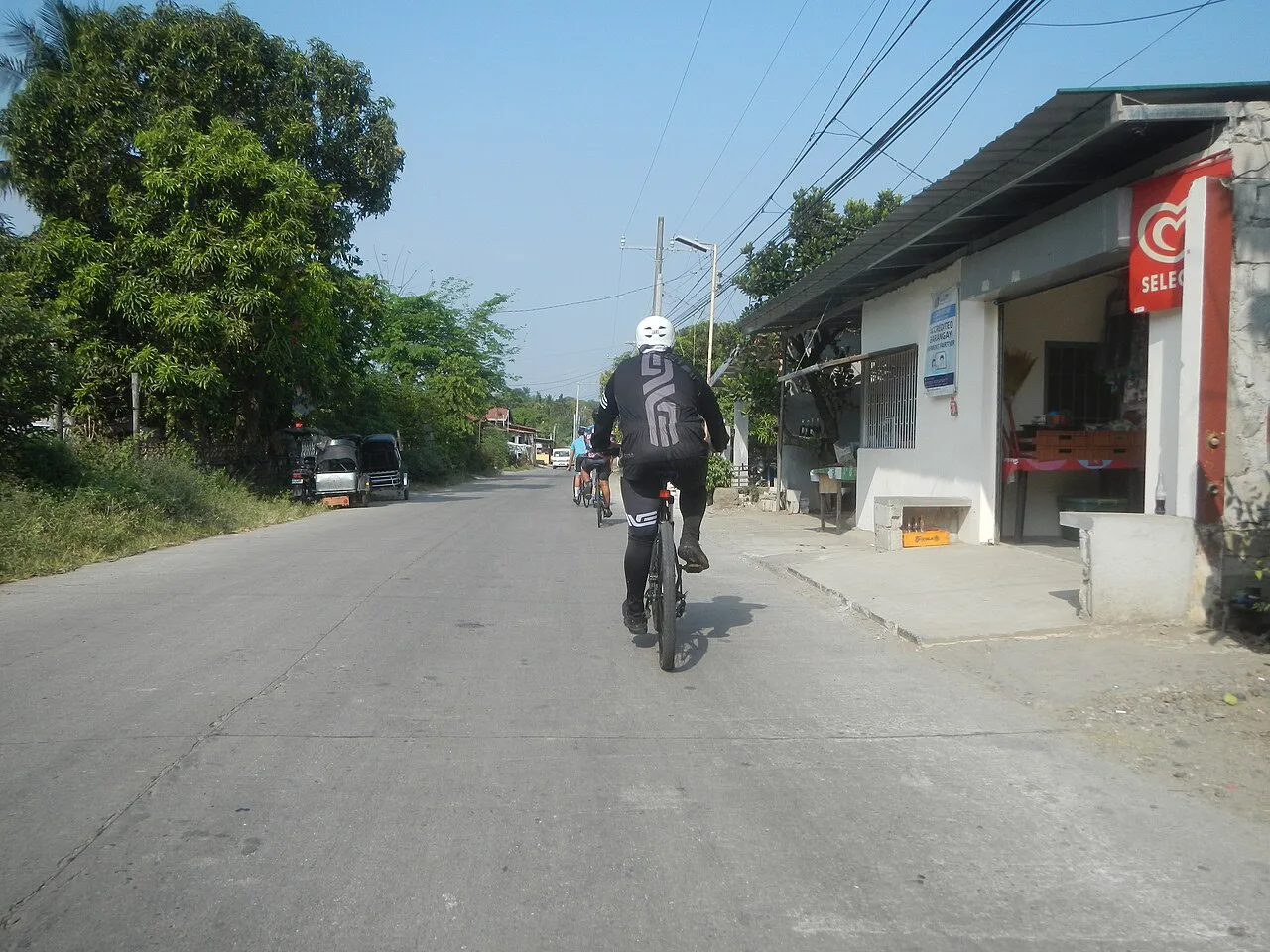
Use a white front light and a red rear light, especially at dusk or on roads without street lighting. Reflectors on the wheels and pedals add visibility when the lights are off.
Checking your lights before a trip
Charge the batteries the night before and test both lights. A light that dies halfway through a route gives you no protection, so carry a spare battery or charger on longer rides.
Wikimedia Commons · JFVelasquez Floro · CC0
How Does Long-Distance Riding Change the Gear List?
Long rides add water, food, spare parts, and a route plan. Gear that works for a short loop around town may not be enough for a ride of hundreds of kilometers.
Johnny Ray has described long-distance riding in Indonesia as “Bentang Warung,” a route where roadside stalls mark the stops. That image shapes how riders plan. Stalls can supply food and drinks along the way, but riders still need to carry the basics for the stretches between them.
Preparing for a 250-kilometer ride
The Journey To TGX ride is a 250-kilometer route from Surabaya to Trenggalek, scheduled for 2 December. Before the event, a cyclist from AASoS rode part of the Jalur Lintas Selatan during a route test. Their experience shows why a planned route matters: know where you can stop, how far apart the stops are, and what you will need if you cannot reach one.
Packing a basic repair kit
Carry a spare inner tube, a pump or inflator, tire levers, and a multi-tool. Learn how to remove a wheel and fix a flat before the ride, not during it. Practice at home, where a mistake costs you only time.
Wikimedia Commons · Post of Indonesia · Public domain
Is Now a Good Time for New Riders to Start?
Yes, if you start with a plan that matches your fitness and your route. Indonesian cycling commentary has described this period as a time for beginner riders to try longer rides.
The same period included a challenge from Azrul Ananda, known as Aza, to ride 2,500 kilometers in one month. Johnny Ray spoke about how he worked through that challenge on a podcast at the end of 2020. The lesson for beginners is not to copy such a target at once. Build distance gradually, add gear as your rides grow longer, and treat each new route as a test of what you still need to learn.
Pertanyaan yang sering diajukan
Do I need expensive gear to start? No. A bike that fits, a certified helmet, and working lights cover the essentials. Upgrades can wait until you know which features you actually use.
What should I buy first? Begin with a bike that fits and a helmet. Then add lights, padded shorts, and a repair kit.
Can a beginner ride 250 kilometers? A ride of that length, such as the Journey To TGX route, calls for gradual training, a clear plan for food and water stops, and a repair kit. Plan the route before you commit to the distance.
Do I need to learn basic bike maintenance? Yes. Fixing a flat and checking your brakes and tire pressure are skills you will use on almost every ride.